How to Choose the Right Display Stand for Large Feather Plumes
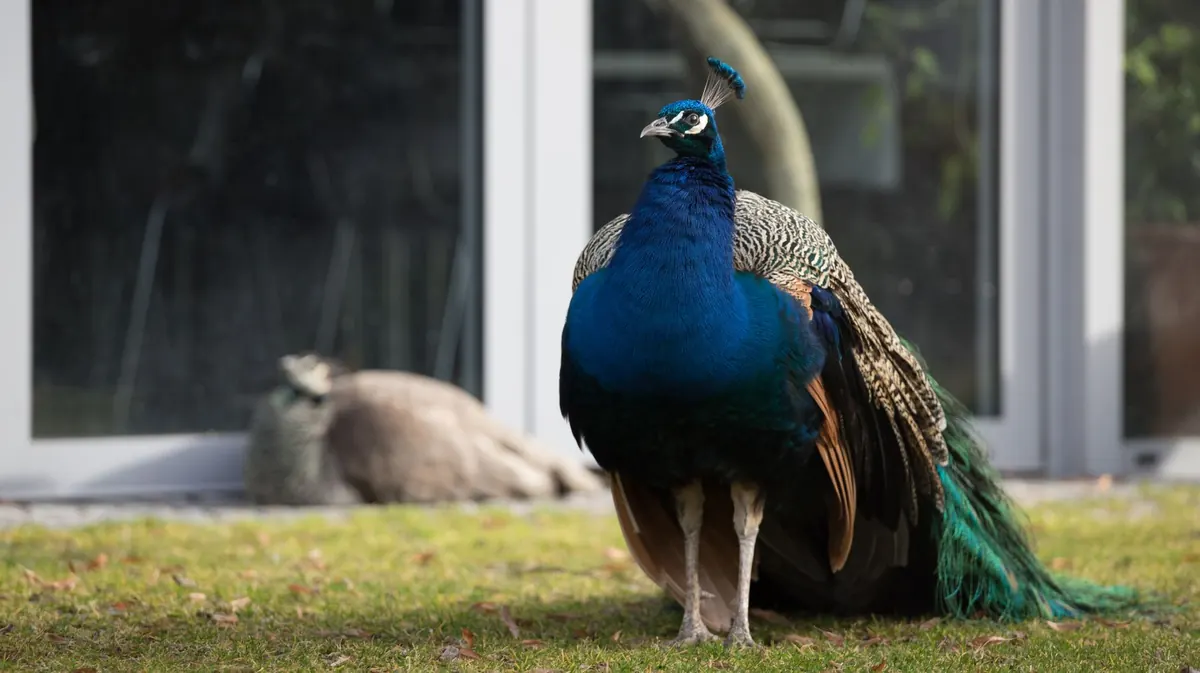
A single ostrich drab can stand almost a metre tall. A peacock tail feather with a full eye is not far behind. Both look magnificent in the right holder and faintly ridiculous in the wrong one — leaning, spinning, or face down on the carpet by teatime. The difference is rarely the plume itself. It is the base, the height and the material of the stand beneath it. Get those three right and a large feather will hold its shape and its posture for years.
Before you browse stands, spend five minutes with the feather in your hand. Three things matter. First, weight above the collar: an ostrich drab carries real mass in the frond, and a stand that holds a dyed goose feather comfortably will wobble under it. Second, quill thickness. Ostrich quills are woody and roughly pencil-thick near the base; peacock quills are slimmer and more hollow. A collar that grips too tightly will split a peacock quill, while one that is too loose lets a heavy drab swivel. Look for stands with a snug collar or a soft insert you can swap.
Third, note the natural curve. Few large feathers are perfectly straight, and a collar that fixes the quill at a rigid angle can make the curve work against the base instead of with it. If you can tilt the collar slightly, you can often turn an awkward lean into a graceful sweep.
As a working rule of thumb, a tabletop stand wants a base diameter of at least a third of the total standing height. So a 60cm plume sitting in a 20cm base is about the minimum on a solid table that nobody brushes past. In a hallway, a busy shop window or a home with children and cats, go wider or heavier — there is no prize for elegance if the arrangement spends its life on the floor.
Width is not the whole story. Weight low down is what actually resists a knock. A narrow, dense base of brass or filled steel will often outperform a wide, hollow one, because its centre of gravity sits close to the surface. A wide, light base looks reassuring but tips the moment someone catches the frond with a sleeve.
For floor stands, expect a base of 25–35cm, or a tripod or cross foot that spreads the load. Tripods are forgiving on uneven floors and easy to hide behind furniture, but they usually need more floor space than a single weighted disc.
Height is about where the eye lands, not about being tall. A plumage arrangement on a sideboard should put the fullest part of the frond at roughly seated eye level, so the detail reads before the stem. A floor stand in a corner can lift a plume well above head height, but every extra centimetre above the collar adds leverage — the feather becomes a lever arm working against the base.
If your stand is adjustable, set it lower than you think you need, then raise it until the tip just begins to move when you breathe on it. Drop it back a notch. That is your working height, and it will be different for a dense ostrich drab than for an open peacock train.
The material decides both stability and mood. A few honest options:
Look at how the quill is held, not just how the base looks. A grub screw or rubber grommet grips without crushing; a deep socket supports the quill along its length. If the collar is much wider than the quill, ask whether an adapter sleeve is available — a small detail that saves a lot of wobble.
Dark plumes disappear against dark wood, so a pale base or a slim metal stem gives them something to sit against. Bright dyed feathers can carry a heavier, more sculptural base without looking fussy. If the stand will live on a windowsill, remember that strong direct sun fades feather colour over time; a spot a metre back from the glass is kinder.
Buy for the tallest, heaviest plume you own or plan to own, then let smaller feathers use the same stand with an insert. A generous weighted base, a collar that grips without crushing, and a height that flatters rather than stretches will outlast any trend. Measure your feather, weigh it in your hand, and pick the stand that would still hold it steady after a slammed door. That is the one worth buying.
Photo: Chris F / Pexels