Seasonal Styling: Autumn Feather Display Ideas for UK Homes

Autumn arrives in the UK with a particular light: low, gold, and gone by five. It is also the season when the hedgerows hand out their best materials for nothing — pheasant tail feathers on the verge, seed heads in the ditch, bracken turning the colour of an old copper pan. Feathers suit this mood better than almost anything else you can put on a shelf. They are warm, layered and slightly irregular, and they look right beside wool, wood and dried stems. What follows is how to build displays that feel seasonal rather than themed.
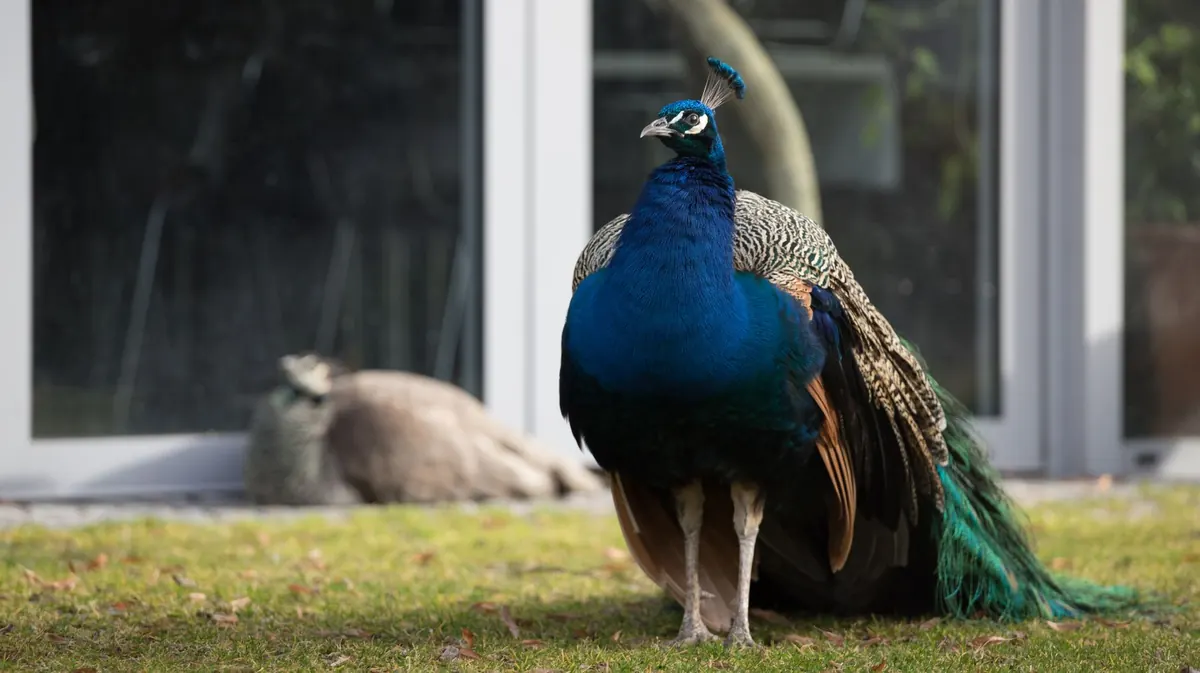
A pheasant's copper breast, the bronze-green sheen on a mallard's neck, the deep rust of a hen bird: these are autumn colours before anyone has styled them. In July, a peacock feather can look brash against a pale wall. In late October, the same feather reads as a small jewel in a darker room, especially once the lamps are on by four o'clock.
Texture matters just as much as colour. Nothing else in a home has quite the soft, layered quality of plumage. Put it against something rougher — slubby linen, raw plaster, an old oak shelf, a stoneware pot — and both surfaces look better for the pairing.
Light is the thing most people get wrong. Feathers respond to side light far better than to overhead light. A display near a window that catches the late sun, or under a low lamp on a side table, will show a depth and iridescence that vanishes under a ceiling light. Do keep them out of strong direct sun for long periods, as colour fades.
Stick to two or three deep tones and one light one. Rust, ochre, bracken brown, moss green and a little charcoal will carry an autumn scheme on their own, and a single creamy neutral stops the whole thing turning muddy. Pairings that reliably work:
Avoid mixing too many bright tones. Autumn styling works when it looks gathered rather than bought, so a slightly uneven arrangement usually beats a symmetrical one.
Pheasant is the most useful feather in the UK at this time of year, and by far the easiest to find. Game shooting gets under way in the autumn, so birds appear in butchers and farm shops, and game dealers often have feathers going spare if you ask politely.
The tail feathers — long, stiff, barred in copper and black — are the ones everyone recognises, and they earn their place in a tall vessel where their length can do something. Wing and breast feathers are softer and smaller: use them in shallow bowls, wreaths, napkin ties, or tucked into a dried arrangement to fill the gaps.
Feathers picked up from the ground need a clean before they go anywhere near a display, and a few sensible rules apply.
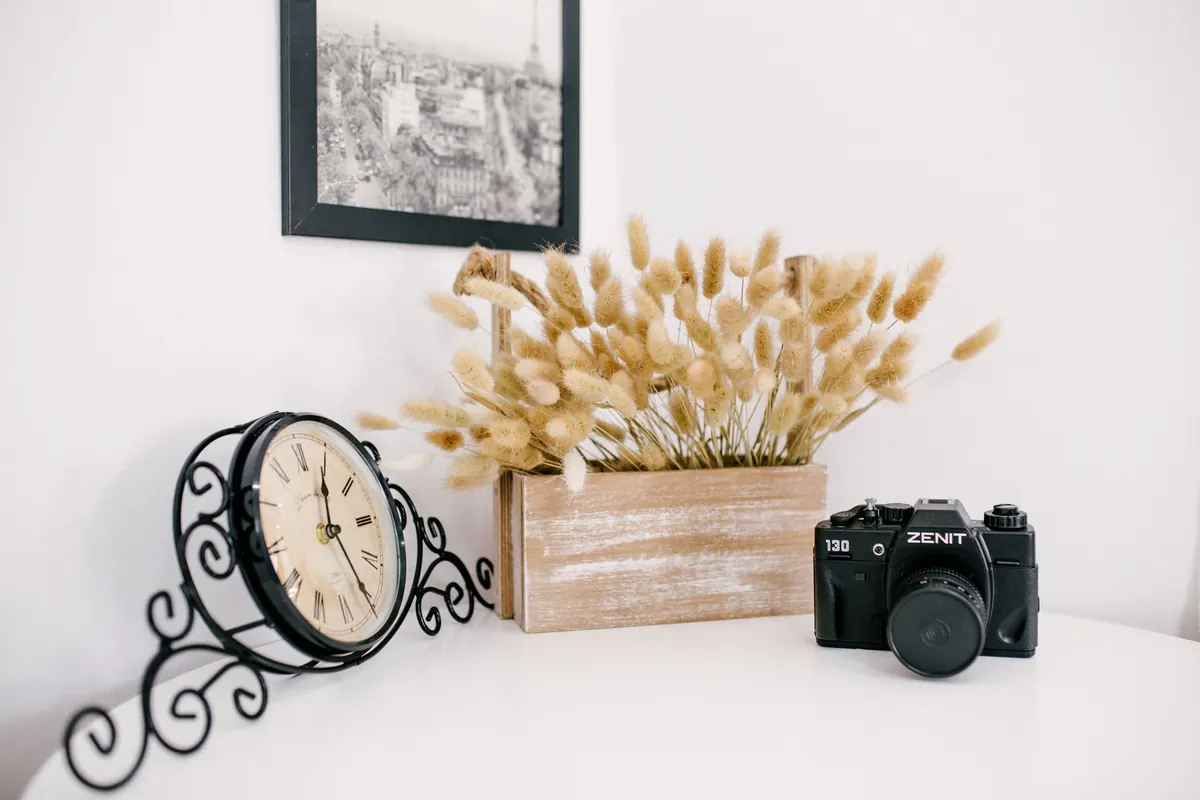
Feathers look their best as part of a small group of natural materials rather than sitting alone. Dried hydrangea heads, honesty seed pods, teasels, wheat and oat stems, birch bark, moss and lichen-covered twigs all sit comfortably alongside them.
For containers, think about weight. A single long pheasant tail in a heavy stoneware jug looks intentional; the same feather in a thin glass vase can look like an accident. Old copper pans, wooden boxes, wicker baskets, vintage tins and terracotta pots all suit the season. To hold stems upright without florist's foam, fill the vessel two-thirds with dried lentils, rice or fine gravel and push the quills in.
Soft furnishings do half the work. A wool throw, a sheepskin over the arm of a chair, a linen runner under a display: these are what make a room feel autumnal rather than simply decorated.
Autumn and winter in the UK are hard on feathers. Damp air makes them limp and can encourage mould, while central heating dries them out until they turn brittle. Dust gently with a soft brush, or a hairdryer on its coolest setting held well back. Steam out bent barbs by holding the feather briefly over the steam from a kettle — a few seconds, no more — then smooth with your fingers.
Keep displays away from radiators and out of the bathroom. For storage between seasons, use a paper envelope or a cardboard box with a sachet of silica gel somewhere dry and dark, and check stored boxes every few weeks in case moths or carpet beetles have found them. Avoid plastic bags; trapped moisture is what causes real damage.
The temptation with seasonal styling is to add something to every surface. Resist it. Two or three good displays in a room will do more than ten, and you will still enjoy them in January. Start with the surface you actually look at most — a mantelpiece, a hallway shelf, the corner of a kitchen worktop — and build one arrangement properly: warm tones, one strong texture, one material brought in from outside.
Then change small elements as the weeks pass. Swap bracken for bare twigs in November, add a dried orange slice or two, bring in a short string of warm white lights. Everything else can stay exactly where it is. Clean your feathers before they come indoors, keep them dry, and check current guidance if you are unsure about a species. Beyond that, this is a forgiving material that asks for very little.
Photo: WOKANDAPIX / Pixabay
Previous Post
Display Stands vs. Wall Mounts: Which Is Best for Your Feather Collection?
Next Post
How to Make a Feather Plume Gift Set That Feels Personal