How to Make a Feather Plume Gift Set That Feels Personal
A single feather, mounted well, already does something. It catches the light, it holds the memory of a walk or a person or a particular afternoon, and it gives an empty shelf a point of focus. Handed over loose, though, it puts the work back on the person receiving it: they have to find a base, guess whether it can be dusted, and hope the cat leaves it alone.
A gift set solves all of that. Plume, stand, care card, box — four parts, one considered object. It takes an evening to assemble, and most of that evening is thinking rather than making.
Choose the feather first, because everything else gets sized around it. Height, colour and shape will decide which stand suits it and how deep the box needs to be.
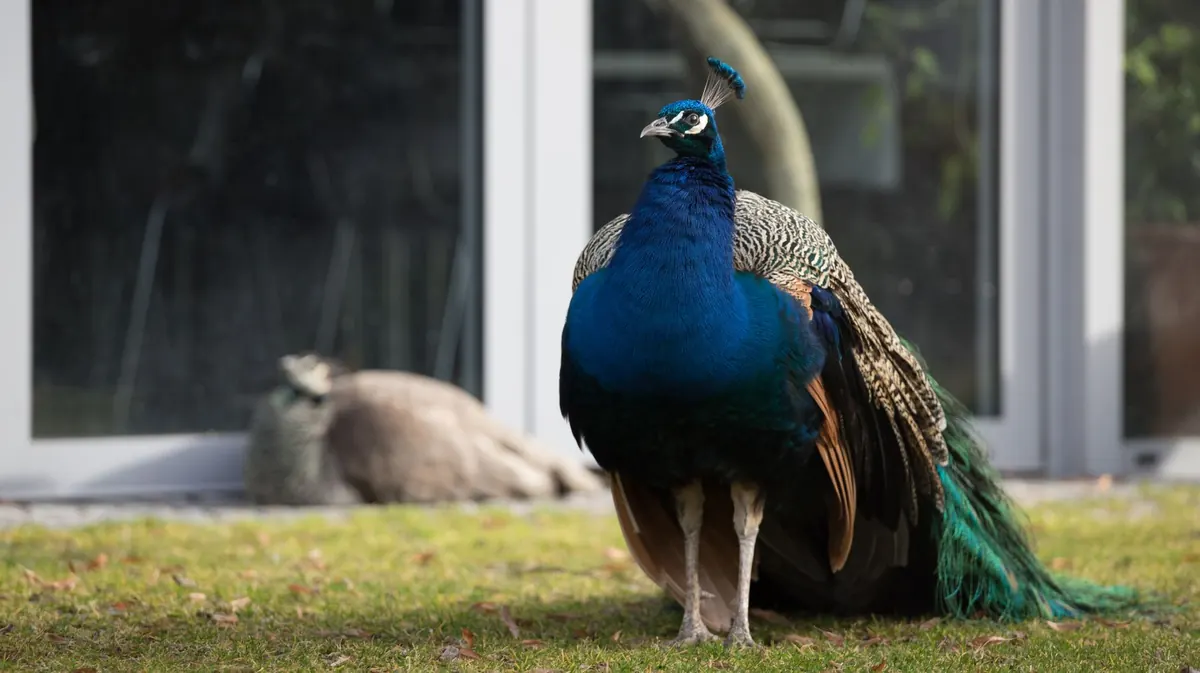
Think about where it will actually live. A long, sweeping plume — a pheasant tail, a peacock eye — needs air around it and suits a mantelpiece or a tall shelf, where it can be seen from a distance. A shorter, denser feather, such as a guinea fowl or a small wing feather, reads better close up on a desk or a bedside table. If you don't know the eventual spot, ask a quiet question about their room before you start.
Handle the plume properly before you commit to it. Check the quill is firm, the barbs lie flat, and there are no splits or creases that will show once it is standing. If it has been stored rolled or flat, give it a few days in a dry room to relax back into shape. Then measure it in centimetres from the tip of the quill to the highest point. You will use that number twice more.
The commonest mistake is a beautiful feather on a base that is too light. As a rough rule, the base should be about a third of the plume's total height, and heavy enough that a brush past it doesn't send it over.
For fixing, a small drilled hole with a tight-fitting dowel works well, as does a purpose-made quill holder. A dot of museum gel or wax will hold a feather steady while keeping the option to remove it later. Avoid glue on the quill itself: it is hard to undo and often discolours. If the quill is very long, cut it above the fitting point so the cut end stays hidden inside the holder.
Most plumes look best just off vertical, tilted ten to twenty degrees. Tape the feather in place and stand back before you commit. If the set will sit on a high shelf, tilt it slightly downward so it meets the eye; on a coffee table, near-vertical usually looks calmer.
A care card is not a label. It is the piece of paper that explains the gift, and it is often the part people keep. Four or five lines on a card no larger than a business card is plenty — handwriting if you can manage it.
Date it, and sign it with your first name. People forget who gave them what; they rarely forget a card that explains why.
Depth matters more than decoration. The plume needs clearance above the tip — two or three centimetres at least — so a shallow jewellery box will not do. Line the base with acid-free tissue. Newspaper and strongly coloured tissue can transfer ink or dye onto pale barbs, and that damage does not come out.
Cut a card or foam insert with a slot for the base and a shallow channel for the plume, then hold the base with a ribbon or a strip of elastic. The feather should be supported, not clamped. If you are posting the set, box it inside a second box, pack firmly rather than tightly, and write "fragile" on the outer carton as well as using a sticker — the written word survives rain and handling.
The set is already thoughtful. One or two extra details lift it from nice to remembered, and none of them cost much.
Stand the finished set on a table, walk two metres away, and look at it. If it leans, wobbles or disappears against the wall behind it, adjust now. Confirm the feather cannot be knocked loose by a hand reaching for a mug, and that the care card sits where it will be found rather than where it looks tidiest. Then close the box, write the name on the outside, and give it in person if you can. The few minutes you spent checking the balance will be the difference between a feather that sits in a drawer and one that stays on the shelf for years.
Photo: JillWellington / Pixabay
Previous Post
Seasonal Styling: Autumn Feather Display Ideas for UK Homes
Next Post
The Ultimate Checklist for Buying Feather Plumes Online