The Ultimate Checklist for Buying Feather Plumes Online
A good plume is worth waiting for. The wrong one arrives kinked along the shaft, bald at the base, or several inches shorter than the listing promised — and by then you have paid postage in both directions. Buying feathers online is a different skill from choosing them in a shop. You cannot turn the quill in your hand, flex the barbs or hold the feather up to the light. What you can do is ask the right questions before you click buy. This checklist covers the points that separate a plume you will keep for years from one that ends up at the back of a drawer.
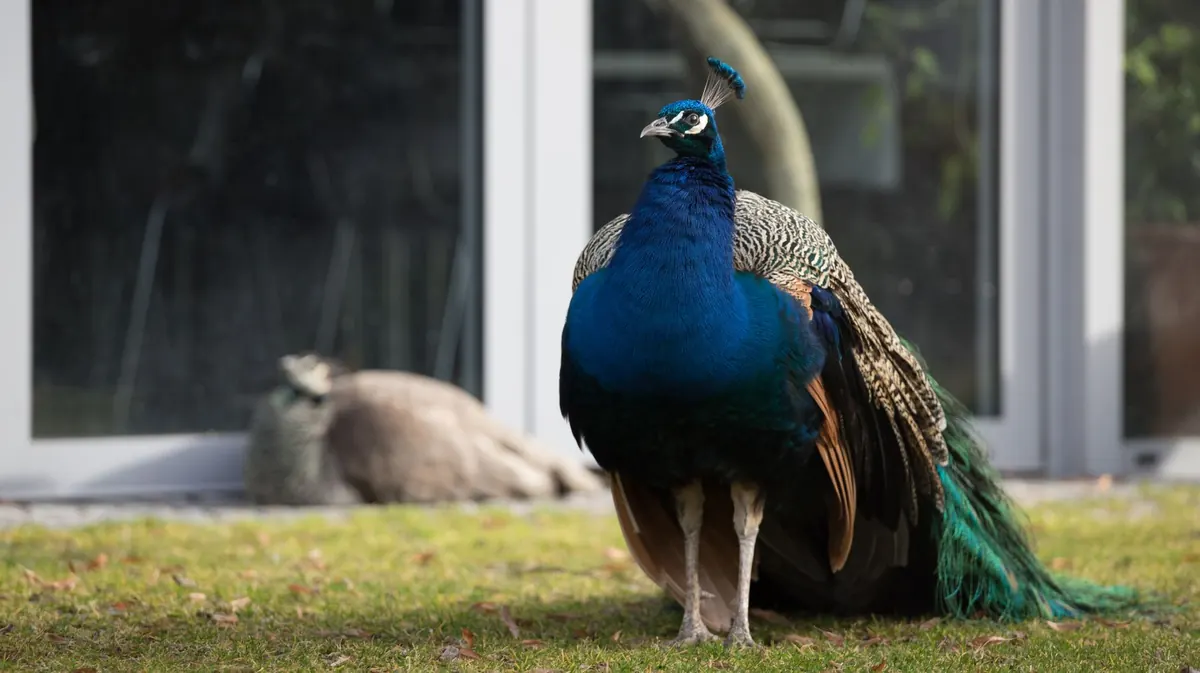
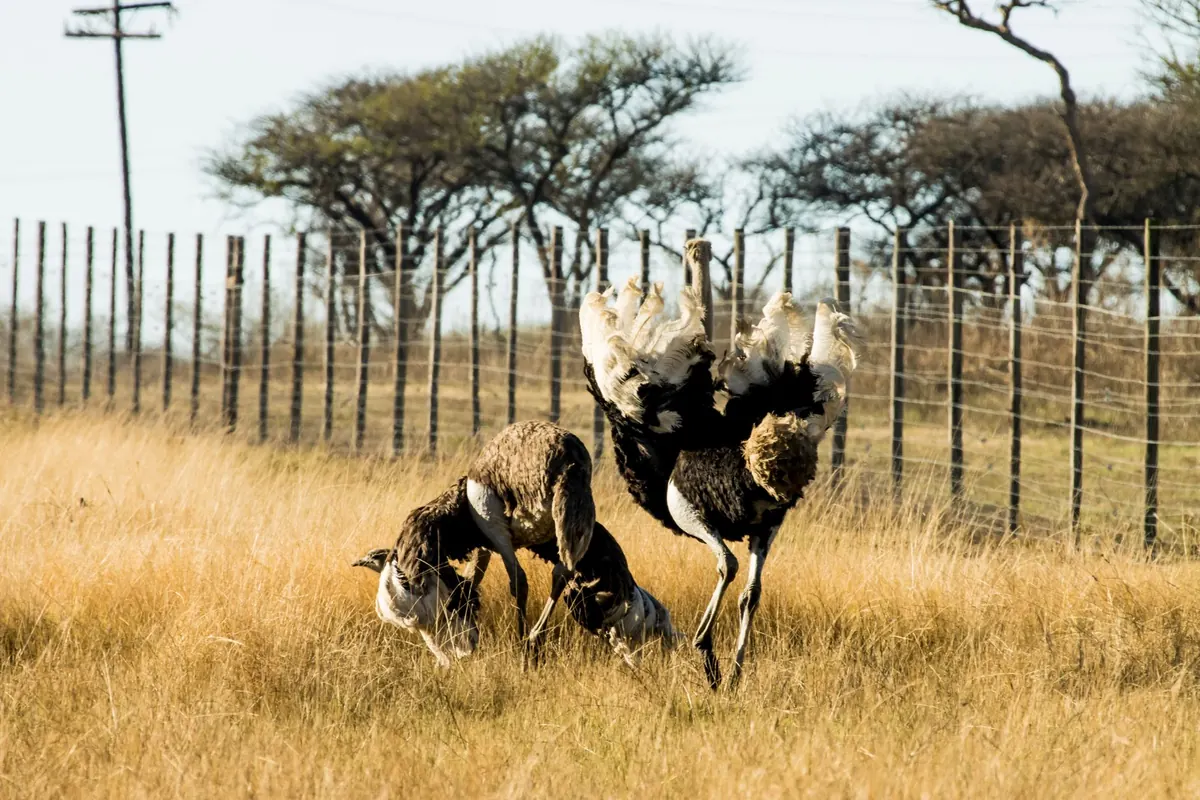
Feathers sold as "plumes" cover a wide range of birds, and each behaves differently in a display. Knowing the vocabulary stops you paying ostrich prices for something else.
Decide first whether the feather needs to hold a shape or drape. A soft ostrich plume droops beautifully in a tall vase; a peacock eye feather will stand upright on its own. Buying the wrong one for the job is the most common expensive mistake.
"Large" and "long" mean nothing. Ask for a number, in centimetres or inches, and then ask how it was measured. Feathers are often measured along the curve rather than straight, and some sellers include the bare quill, some do not. A "70 cm" ostrich plume measured along the curve can look noticeably shorter in a vase than one measured tip to base.
Three questions worth asking every time:
Bundles vary. A pack sold as 60 cm may contain anything from 52 to 68 cm. If you are matching a pair for a table arrangement, order from the same batch and say so in your message.
Photographs tell you more than adjectives. Look for the following in listings and, if they are missing, request them.
A straight shaft matters most. Minor crimping and gentle kinks in ostrich can often be eased out with steam, but a snapped or deeply creased quill cannot be repaired convincingly. Check the base too — a trimmed or hollow quill tip is normal, a split one is not.
Barbs should sit together along the length without gaps or thin patches near the base. Small separations are easy to smooth back into place; bald sections are permanent.
Natural colour variation is normal and often attractive. Inconsistency within a bundle you intended to display together is not.
This is the part buyers skip, usually out of politeness. Do not skip it. A seller who is confident about their supply chain will answer plainly.
Ask whether the feathers are naturally moulted or collected after the birds are processed for meat, how the birds are kept, and whether the feathers have been cleaned or treated. Live plucking is a genuine welfare concern in parts of the global feather trade, and it is reasonable to expect a straight answer about where your purchase sits.
There are legal considerations as well as ethical ones. Some species are protected, and in the UK the feathers of wild native birds are generally protected in most circumstances. If you are buying anything other than common farmed or craft species, ask about documentation before you pay. If you are unsure, take advice from the relevant authority or a solicitor rather than relying on a marketplace listing.
Listings with a single stock photograph and the word "premium" are a gamble. Better signs:
That last point is the single most useful test. A seller who answers carefully before purchase is far more likely to pack carefully afterwards.
Feathers should travel in a rigid box with tissue or paper support. Padded envelopes are fine for small craft feathers and disastrous for long plumes. Stiff feathers ship best flat; ostrich plumes should be rolled loosely, never tightly banded, as creases set over time.
Before ordering, read the returns policy in full. Many feather sellers exclude returns on hygiene grounds, and custom-dyed or cut-to-length items are frequently non-returnable. Online purchases in the UK normally come with a cancellation right, but bespoke and hygiene-exempt goods are treated differently, so check the specific terms. If the policy is vague, ask in writing and keep the reply.
Run through this list and most disappointments disappear before they reach your door.
When the parcel arrives, open it over a clean surface and inspect within a day or two, while any claim is still straightforward. If the packaging is damaged, photograph it before opening. Store spare plumes flat or loosely rolled in a breathable bag, away from damp, direct sunlight and moths, and keep newly arrived feathers separate from your existing collection for a week or so in case anything unwanted has travelled with them. Do that, and the plume in your hand will be the one the listing promised.
Previous Post
How to Make a Feather Plume Gift Set That Feels Personal
Next Post
Feather Accessories for Events: A Beginner's Guide to Hat and Corsage Plumes